Ground screws vs screw piles: what is the difference?
The two terms get used interchangeably but describe different products with different capacity, certification, and warranty.
Ground screws vs screw piles
Two different products with similar names.
Ground screws are short (0.6 to 1.5 m), small-diameter metal rods with a thread or flange. Used for fences, signs, mailboxes, garden structures. Most are uncertified with no engineered load verification. Typical capacity 5 to 30 kN.
Screw piles (helical piles) are engineered, certified foundation elements. Paalupiste piles have helical bearing plates Ø150 to Ø500 mm, are made from SSAB steel, hot-dip galvanised per EN ISO 1461, and designed to Eurocode 7 (EN 1997). Capacity 10 to over 1 000 kN.
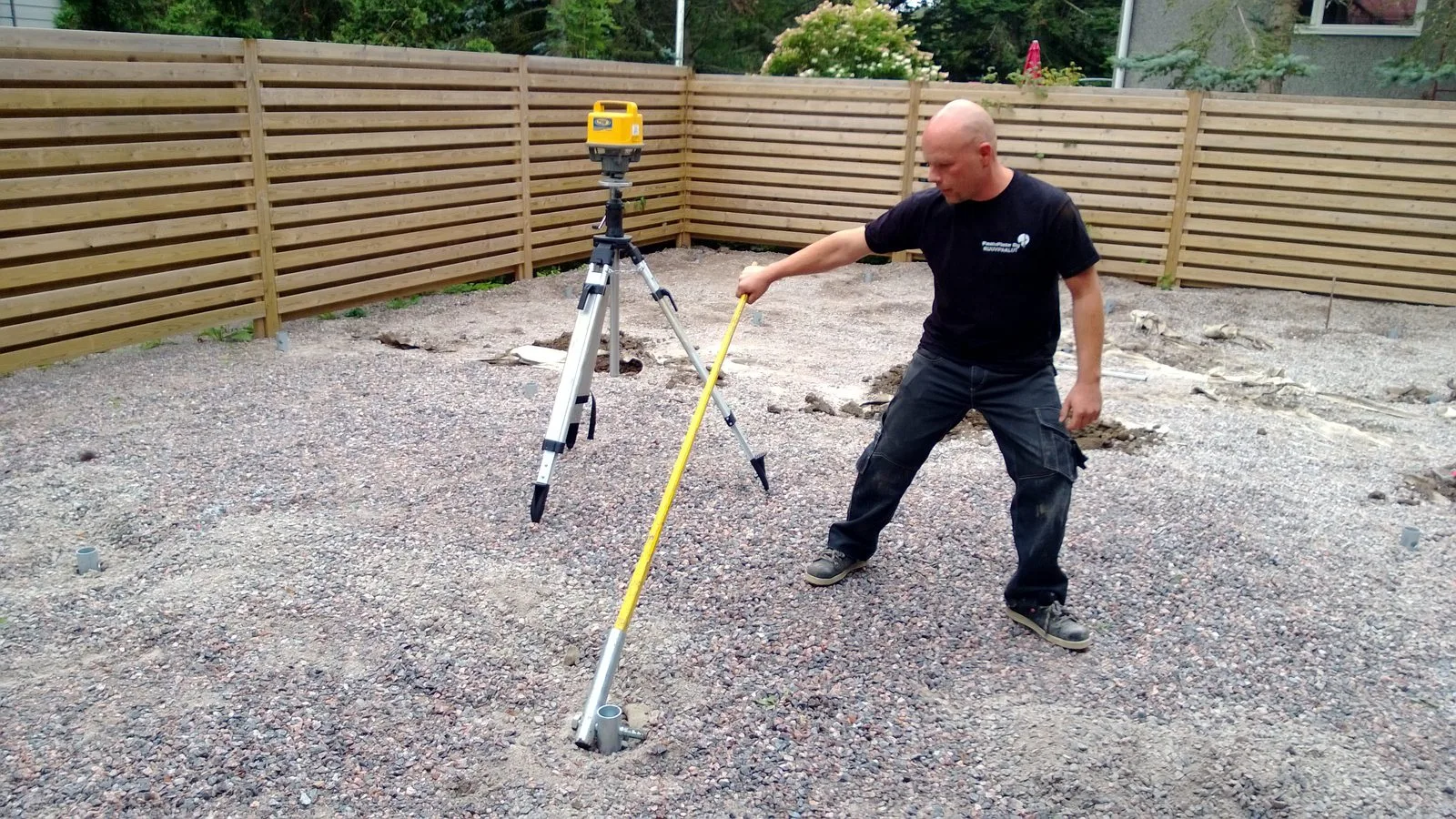
Paalupiste's HELIX range bridges the gap. Installable with a handheld drill like a ground screw, but engineered like a screw pile: helical bearing plate, hot-dip galvanised steel, torque-verified installation, 50-year warranty.

What you get from an engineered screw pile
Six concrete differences between a ground screw and a Paalupiste screw pile.
EN 1090 certified
Factory production control to EN 1090. CE marked structural steel. Accepted by building authorities across the EU.
Torque-verified capacity
Each pile's capacity is measured during installation via QT = KT × T. The torque log is the per-pile certificate.
Hot-dip galvanised
EN ISO 1461 zinc coating, 70 to 120 microns. 50 to 100 year design life in non-aggressive soils. SSAB steel.
50-year warranty
HELIX piles carry a 50-year warranty on the pile body. PRO is designed for 50 to 100 year service.
Design support
Foundation design, pile selection, and project-specific calculations. Per-pile installation documentation for building control.
22 bracket types
Standard brackets for timber, steel, and concrete connections. Custom brackets for non-standard structures.
The engineered ground screw alternative
HELIX is for the case where you searched for ground screws but the load actually needs a real foundation.
Installs by hand with a standard drill and adapter. No excavator, no concrete. One or two people complete a deck foundation in a few hours. The difference from a basic ground screw: a true helical bearing plate, hot-dip galvanised steel, torque-verified installation, 50-year warranty.
Typical HELIX applications: decks, fences, sheds, cabins, carports, pergolas, small solar, signs, lighting poles.
Learn more
Engineering guide, product range, and project examples.
PRO vs HELIX
Compare our two screw pile ranges
Why Screw Piles
9 advantages with comparison tables
Product Catalogue
Full range of piles, brackets, accessories
Projects & Cases
Real-world installations and case studies
Buying Guide
How to choose the right screw pile
Get a Quote
Tell us about your project
Ground screws & screw piles FAQ
A ground screw is a small, pointed metal rod with a thread or flange that screws directly into the ground. Ground screws are typically 0.6 to 1.5 metres long and designed for light-duty applications such as fences, signs, and small garden structures. They are not engineered foundation elements and generally lack structural certification.
Screw piles (also called helical piles) are engineered, certified foundation elements with true helical bearing plates, designed to carry calculated structural loads from 10 kN to over 1,000 kN. They are manufactured to standards like EN 1090 and designed per Eurocode EN 1997.
Ground screws are smaller, typically uncertified elements for light loads up to about 30-50 kN, without engineered load verification. The key differences are: certification, load capacity, bearing plate design, corrosion protection standards, installation documentation, and design support.
For a small ground-level deck, basic ground screws may be adequate. For an elevated deck with snow loads, wind uplift, or long service life, engineered screw piles are the better choice.
HELIX piles install below the frost line, are torque-verified, hot-dip galvanised, and come with a 50-year warranty.
No. HELIX piles are engineered screw piles, not ground screws. They share the DIY-installable concept (handheld drill) but have a true helical bearing plate, are made from SSAB steel, hot-dip galvanised per EN ISO 1461, and carry a 50-year warranty.
HELIX is designed as a structural foundation element, not a light anchor.
A typical ground screw supports 5 to 30 kN. Heavy-duty models reach about 50 kN. Capacity depends on soil, screw length, and diameter.
Paalupiste screw piles support 10 to over 1 000 kN depending on size and soil. Each pile's capacity is verified during installation via torque-to-capacity correlation, giving documented per-pile performance.
Varies by country and municipality. Small structures (fences, sheds) often need no permit. Larger structures (decks, carports, buildings) usually need a building permit regardless of foundation type.
Certified screw piles (EN 1090) simplify the permit process. They come with engineering calculations, per-pile installation documentation, and traceability.