The foundation is 3 to 5% of the build cost, but 100% of what keeps the house standing
Choosing the right foundation is one of the most important decisions in a residential building project. Many people compare the material price alone, but the real differences come from the work phases, the time spent on site and indirect costs. In this article we walk through what a concrete foundation and a screw pile foundation actually require.
The 12 work phases of a concrete foundation
A concrete foundation is a well-known and proven solution, but few builders realise in advance how many work phases it involves. Each phase requires its own tradesperson, materials and schedule.
- Excavation: Digging the foundation trench and strip footings. Requires an excavator and operator.
- Spoil removal: Surplus soil must be transported off site. This often means dozens of lorry loads.
- Drainage: Drain pipes, inspection chambers, filter fabric and gravel prevent water from accumulating around the foundation.
- Compaction and levelling: The sub-base is compacted and levelled with a plate compactor or roller.
- Utility provisions: Water, sewer and radon pipes are installed in the ground before the pour.
- Frost protection: EPS frost-insulation boards are laid beneath and around the footings to prevent frost heave.
- Formwork: Forms for the footings and plinth are built to measure.
- Reinforcement: Steel is placed inside the forms and inspected by a reinforcement inspector.
- Concrete pour: Concrete is ordered and poured into the forms. A pump truck is often required.
- Plinth wall or block masonry: The foundation wall is built on top of the footings.
- Waterproofing and membrane: The outer face of the plinth is waterproofed against moisture.
- Backfill and grading: Fill material is brought in around the foundation, surfaces are shaped and compacted.
Every one of these phases adds cost, extends the schedule and requires coordination between different contractors. If any single phase is delayed (rain preventing the pour, for example), the entire chain shifts forward.
What is often forgotten? Removing excavated spoil and importing new fill material is a significant expense. Ten lorry loads of soil in each direction means both money and a heavily loaded yard.
Work phases of a screw pile foundation
A screw pile foundation simplifies the process radically. The work phases are:
- Site investigation and design: As with a concrete foundation, screw piles also require a geotechnical survey and a foundation design.
- Topsoil removal and gravel layer: The organic layer is removed and replaced with a thin gravel layer, approximately 150 to 250 mm, over a filter fabric.
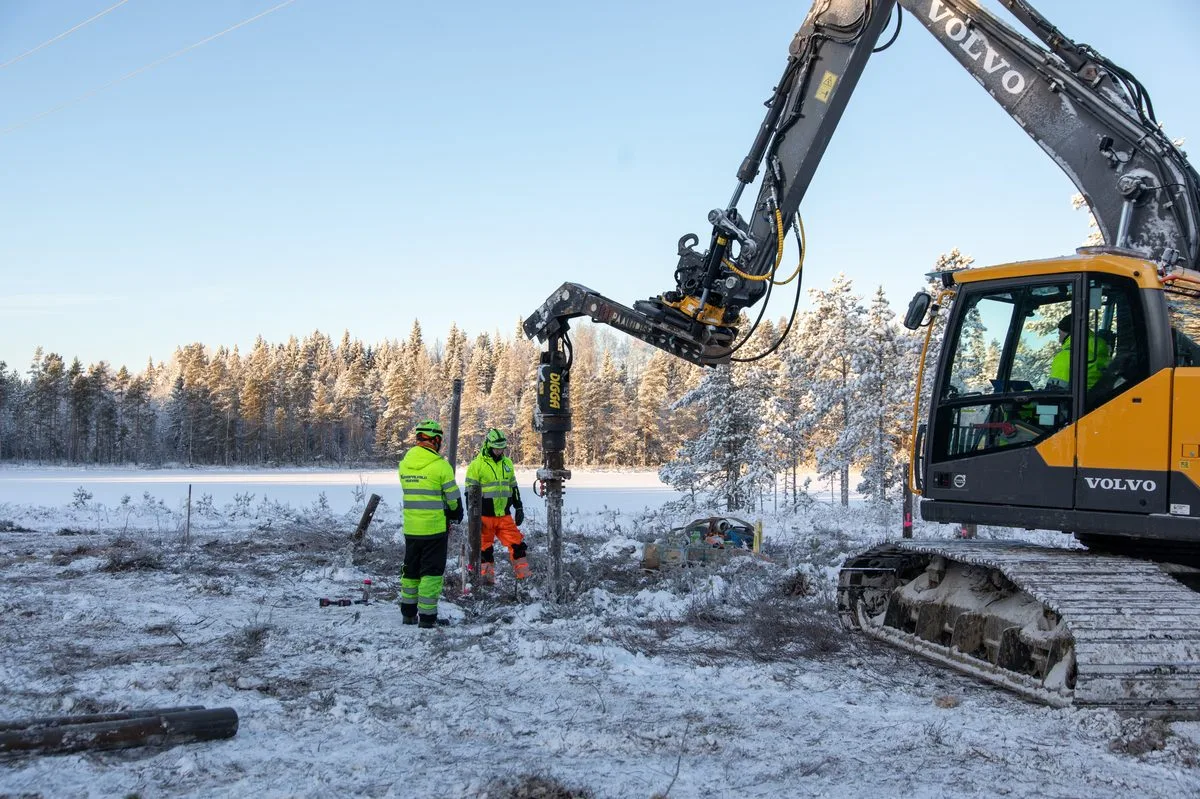
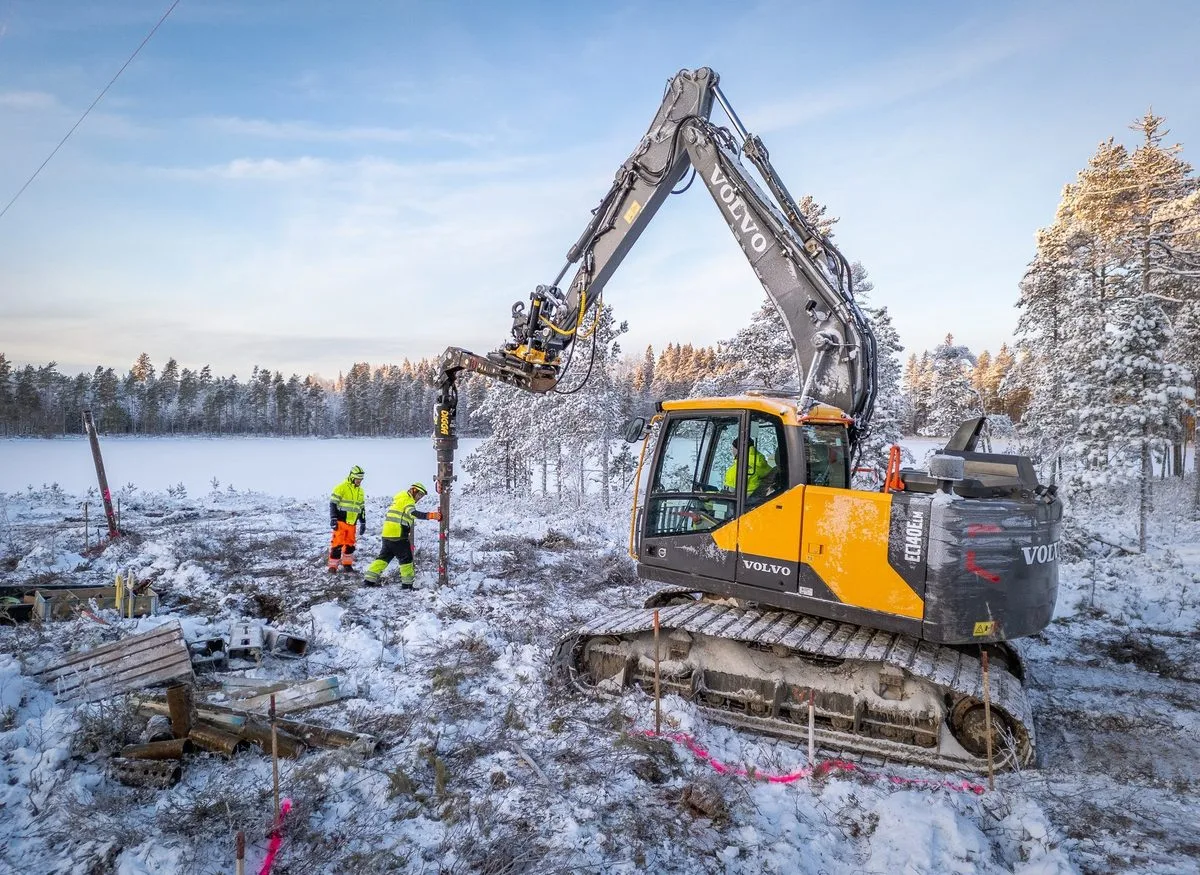
- Pile installation: An excavator installs the piles at the design locations. A typical residential house is completed in one or two days.
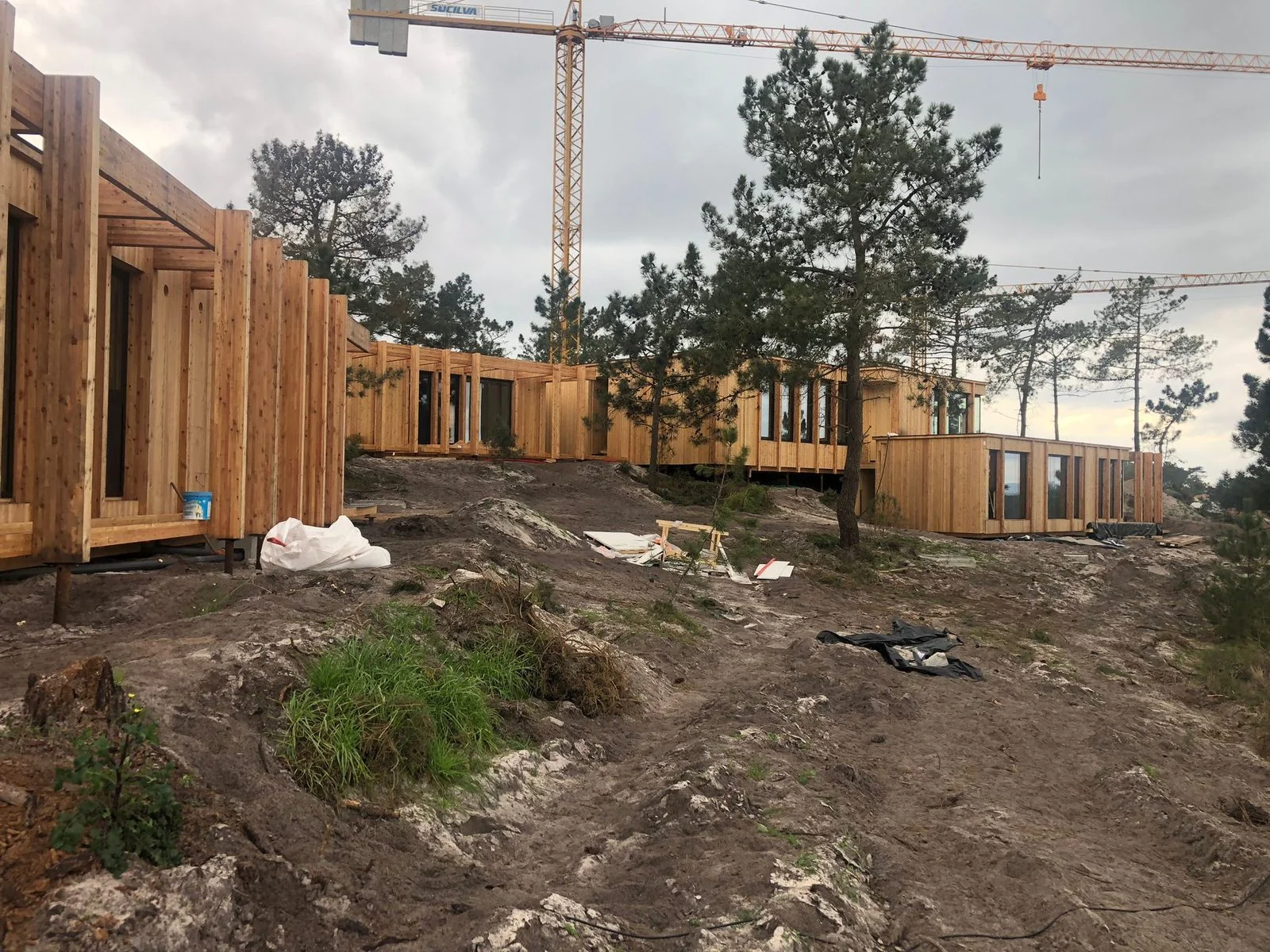
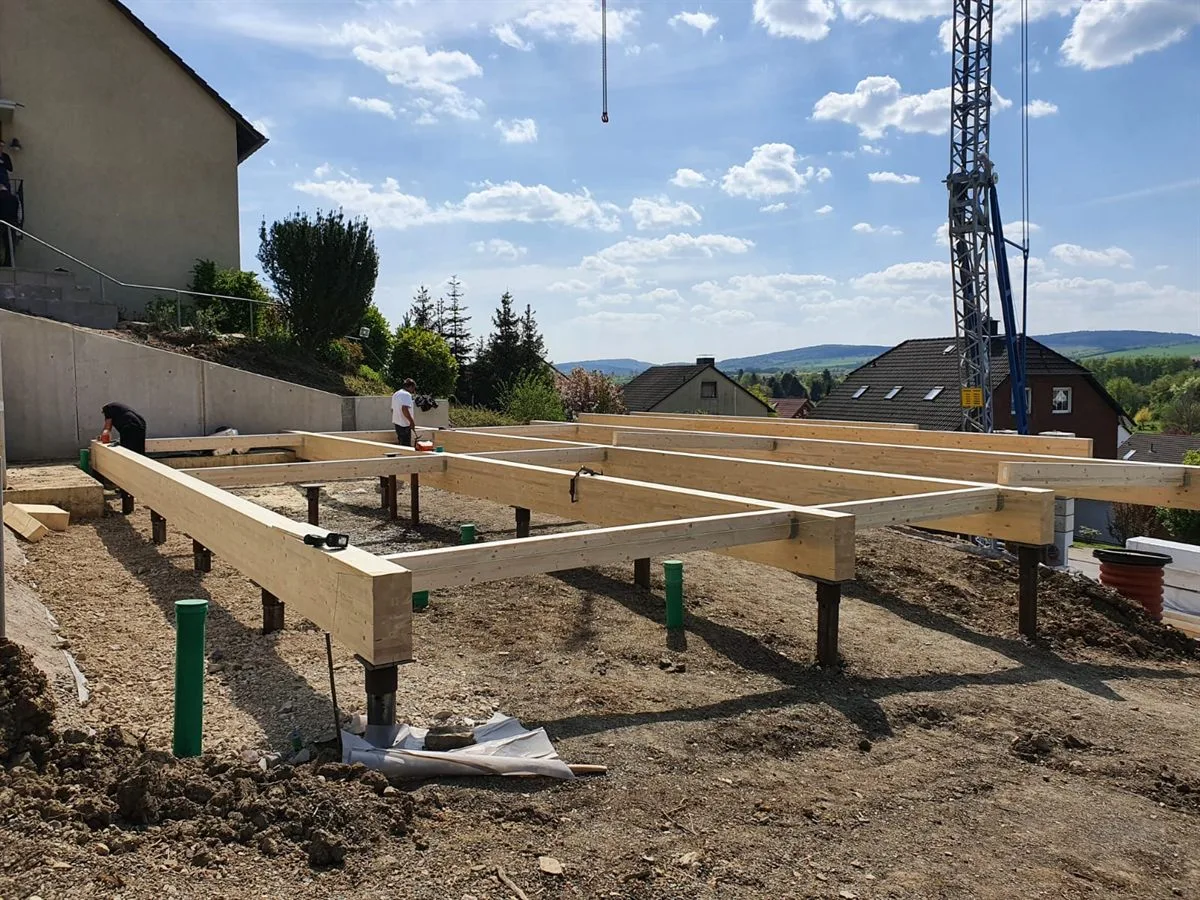
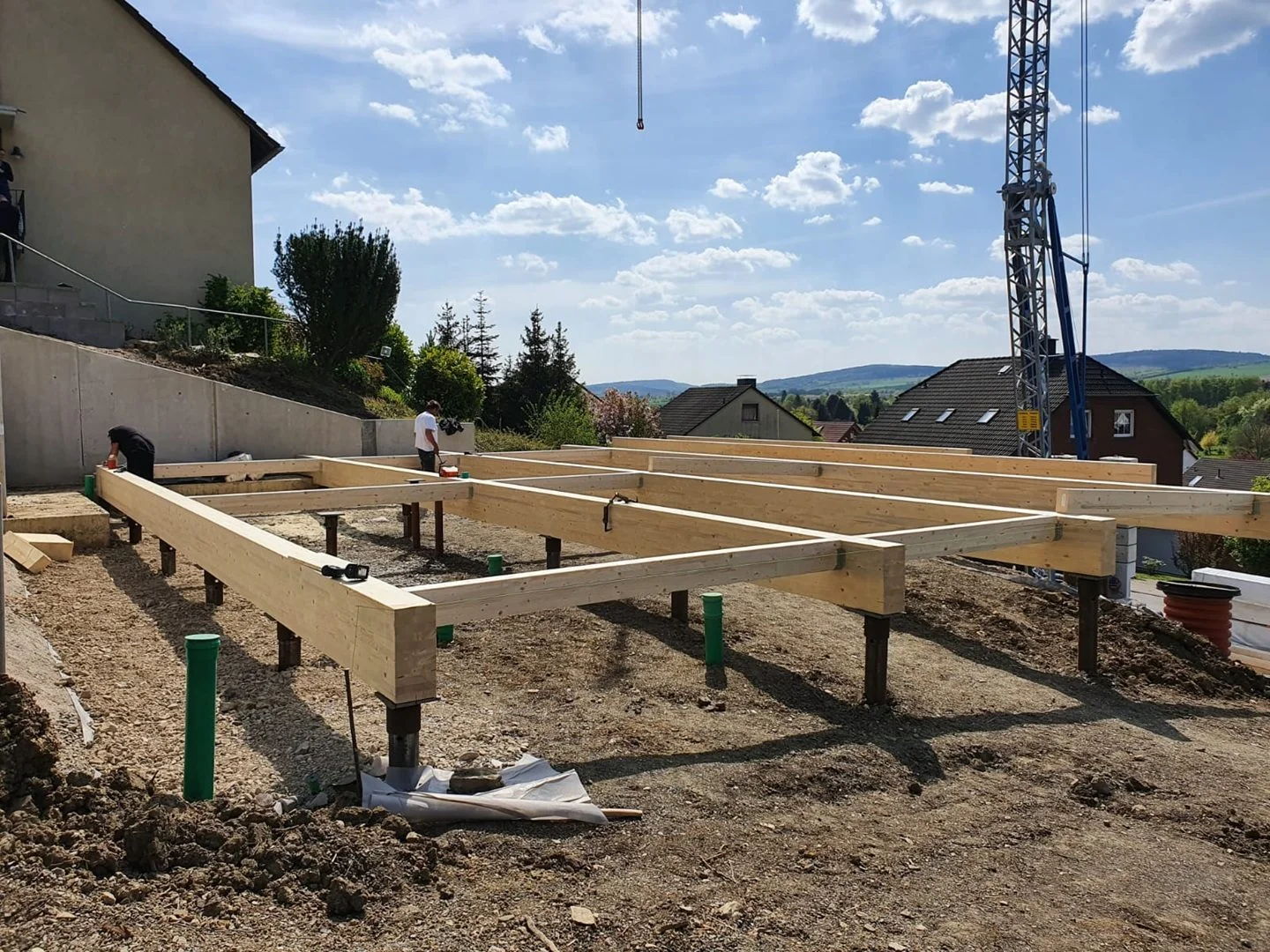
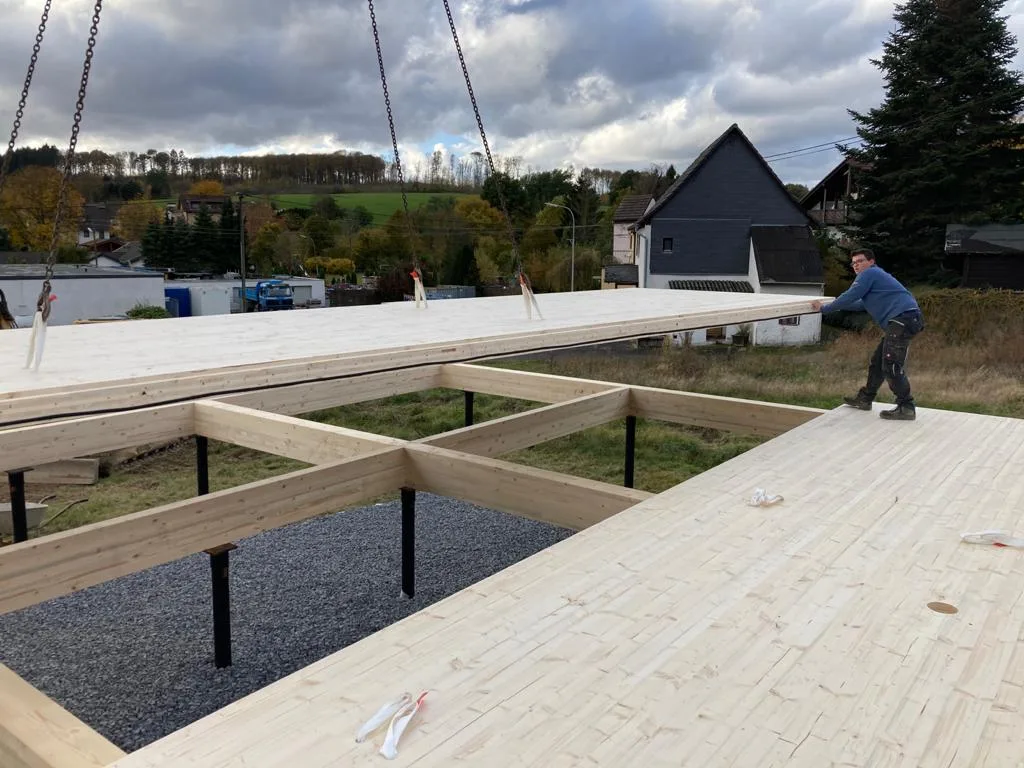
- Frame installation: Steel or timber beams are fixed directly to the pile caps. Construction can begin immediately.
Excavation, drainage, frost protection, formwork, reinforcement and concrete are not needed. The elimination of these work phases is the single biggest reason a screw pile foundation costs less.
Where does the cost difference come from?
Based on our experience, a screw pile foundation is typically significantly cheaper than a concrete foundation. The difference does not come from a single line item, but from the fact that a large number of work phases are eliminated entirely.
| Work phase | Concrete foundation | Screw pile foundation |
|---|---|---|
| Excavation and spoil removal | Yes (excavator + lorries) | Topsoil only |
| Drainage | Yes (pipes, chambers, gravel) | Not required |
| Frost protection | Yes (EPS insulation) | Not required |
| Formwork and reinforcement | Yes (materials + labour) | Not required |
| Concrete pour | Yes (concrete + pump truck) | Not required |
| Plinth and waterproofing | Yes | Not required |
| Backfill and finishing | Yes (significant) | Minimal |
| Pile installation | Not required | Yes (excavator, 1 to 2 days) |
| Subframe | Included in plinth | Yes (steel or timber beams) |
Every "Yes" in the concrete column represents separate materials, tradespeople and schedule time. When six or seven of these are removed entirely, the saving is naturally significant.
What is often missing from the budget? Transporting excavated spoil away and importing new fill material can cost thousands of euros on its own. On top of that, the downtime on a concrete foundation project means extra weeks of rental costs, insurance and potential lost income.
Schedule comparison
Schedule is often just as important a factor as the direct cost difference.
| Phase | Concrete foundation | Screw pile foundation |
|---|---|---|
| Earthworks | 1 to 2 weeks | 1 day (topsoil) |
| Foundation construction | 2 to 4 weeks | 1 to 2 days |
| Waiting time before framing | 3 to 4 weeks (concrete curing) | 0 days |
| Total | 6 to 10 weeks | 2 to 4 days |
The schedule difference is especially significant when the building project has a tight timeline, or when the site is in a location where prolonged earthworks cause disruption to neighbours or traffic.
Site impact and yard damage
The excavation work for a concrete foundation leaves a mark on the plot that requires significant remedial work: yard levelling, turfing and possible replanting. Heavy transport vehicles compact and rut the ground.
Screw piles are installed with an excavator without large trenches. The site stays tidy, and the yard needs only minimal finishing after the foundation work. On waterfront plots and tight sites in particular, this difference is significant.
When is a concrete foundation still the better choice?
A concrete foundation remains a justified option in certain situations:
- Basement: If the building includes a basement, excavation and concrete structures are unavoidable. On soft ground, even a basement structure may require piling (pile-supported slab).
- Bedrock very close to the surface: If bedrock is encountered at less than one metre depth, there is not enough soil to provide lateral support for a screw pile. In this case, a direct rock-bearing strip footing may be the simplest solution.
- Underfloor heating integrated into the slab: A concrete slab foundation (hollow-core or solid slab) is well suited when the underfloor heating pipework is cast directly into the slab.
That said, a screw pile foundation can also use hollow-core slabs or a cast plinth on top of the piles, so these boundaries are becoming less clear-cut.
Steel quality determines service life
The service life of a screw pile depends directly on the steel quality. This is something to look at carefully, because there is wide variation on the market.
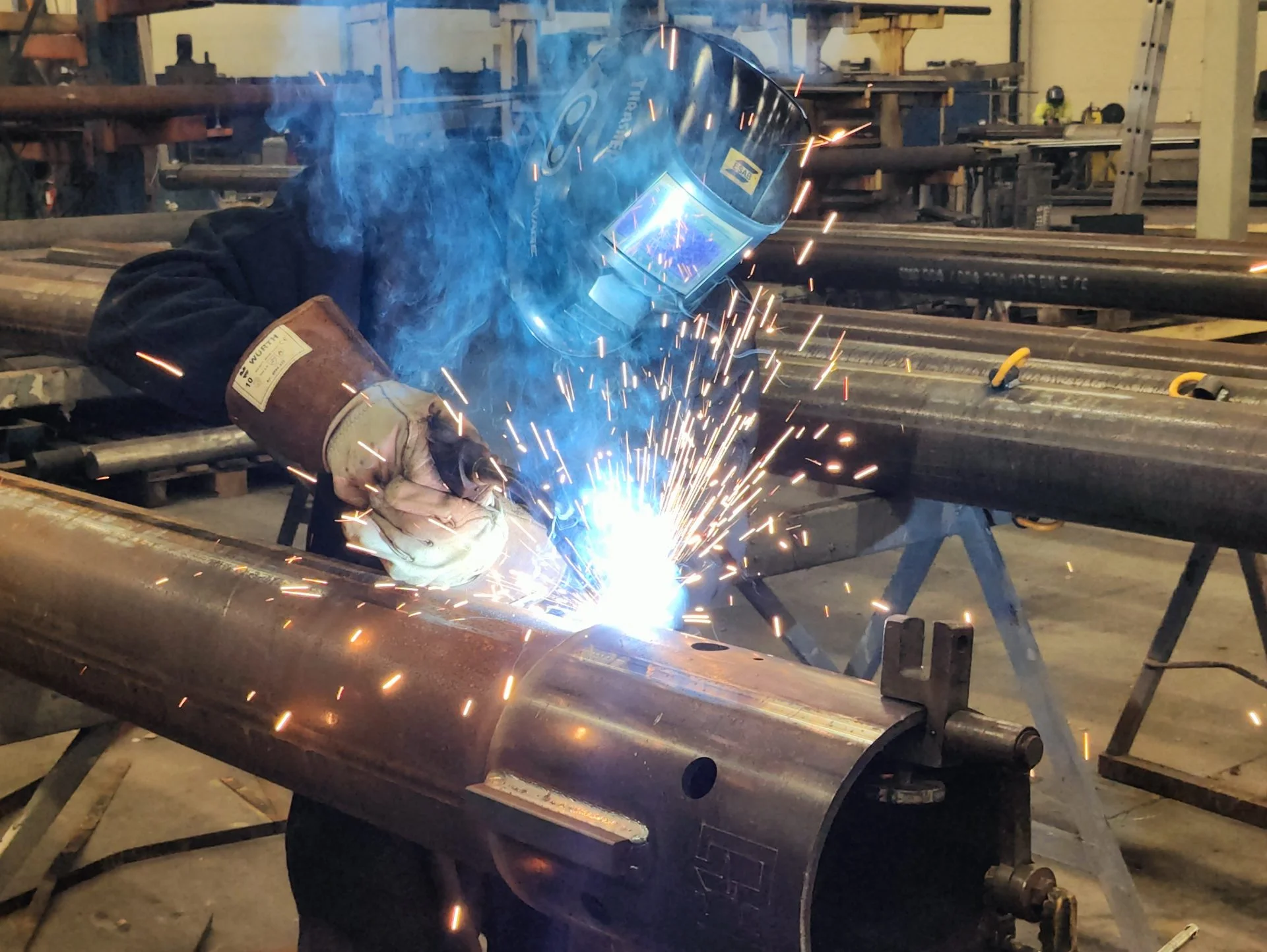
Paalupiste PRO and HELIX screw piles are manufactured from SSAB S420 steel in Finland. S420 means a yield strength of 420 MPa. The cheapest imported piles use Q235 steel, with a yield strength of 235 MPa. In practice, S420 steel withstands nearly double the load.
A pile is only as good as its steel. When comparing quotes, always ask: where does the steel come from, what is the steel grade, and is the product certified? Paalupiste piles hold EN 1090 EXC1&2 certification, and PRO piles carry a 100-year warranty.
Environmental impact
Concrete is one of the world's largest sources of CO₂ emissions. The concrete foundation of a residential house requires a significant volume of concrete, the production of which generates several tonnes of CO₂. Excavation, spoil transport and backfill also consume fuel.
In a screw pile foundation, steel production generates emissions, but the volume is significantly lower. On site, emissions are limited to running an excavator for one or two days. The Paalupiste environmental report is available on the resources page.
Summary: who is a screw pile foundation for?
A screw pile foundation is a financially and schedule-wise sensible choice when:
- You want to avoid extensive earthworks and spoil transport
- The schedule is tight or you want to start building quickly
- The plot is tight, on a slope or on the waterfront
- You want to minimise site impact and yard damage
- Reducing environmental impact is important
- The soil is clay, silt or sand (no large boulders)
The foundation is a small part of the total budget, but the choice has a major impact on the entire project's schedule, cost and efficiency. It is worth comparing total costs rather than material prices alone.