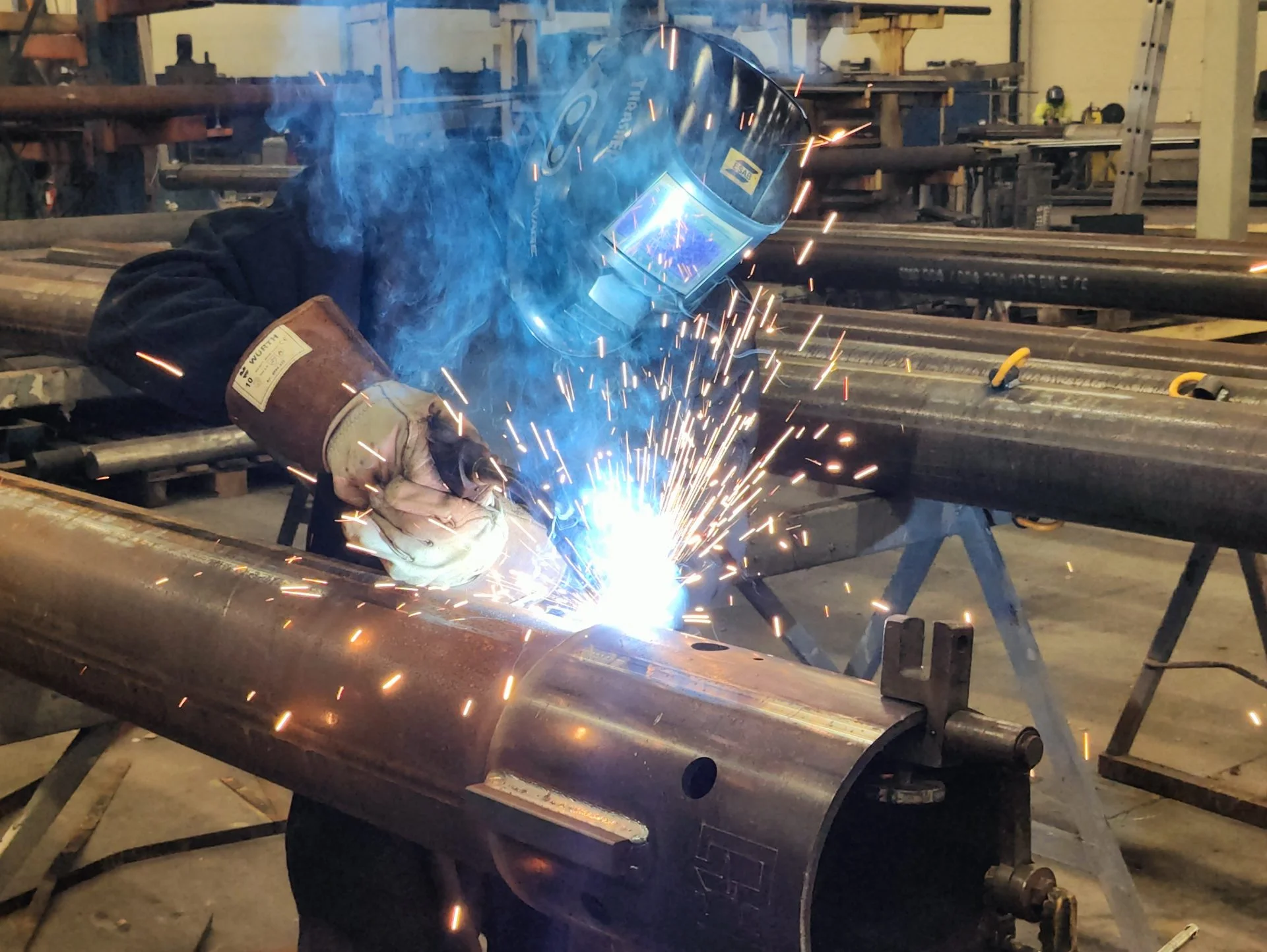
Helical pile sizes and drive connection methods
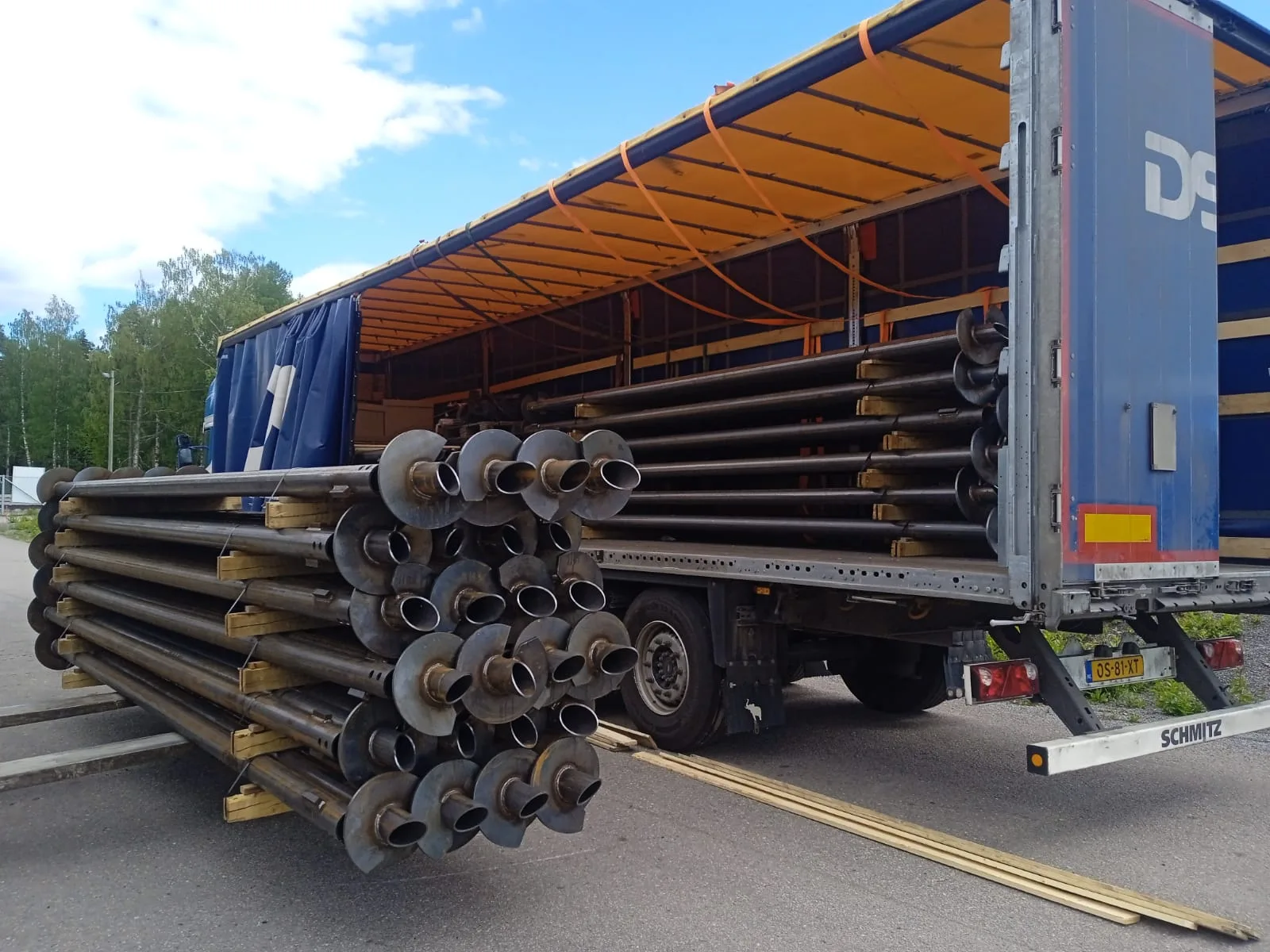
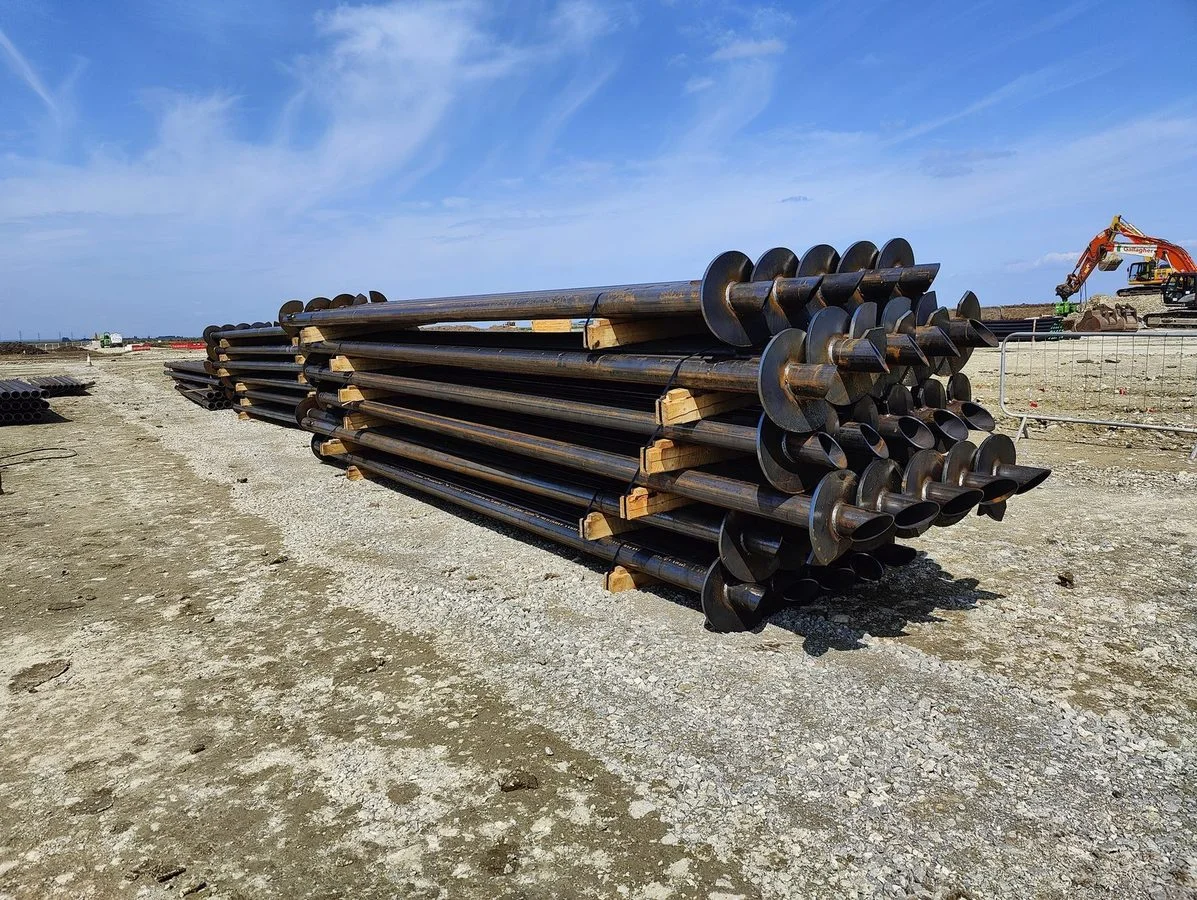
Helical piles come in a wide range of sizes. The smallest ones, often used for decks and terraces, can be as short as one metre with a diameter of just 60 mm. At the other end of the spectrum are heavy-duty piles designed for multi-storey buildings or major structures, with lengths up to 12 metres and diameters exceeding 400 mm.
There are two primary drive connection methods used during installation: pin connection and drive lug connection. The choice depends on pile size, equipment, and site conditions. To an outsider, the difference may seem minor, but experienced installers and project managers know that selecting the right method has a direct impact on installation speed, workflow efficiency, and overall project costs. In large-scale projects, this impact becomes significant. For example, in a 1,000-pile job, saving just five minutes per pile equates to roughly 250 fewer man-hours for a three-person crew.
Cost and installation efficiency
Piles equipped with drive lugs are slightly more expensive on a unit basis than pin-connected piles. However, when looking at total project costs, drive lug piles often prove considerably more economical due to faster installation and reduced manual handling. This advantage is particularly pronounced in projects involving long, heavy piles installed in large volumes, such as infrastructure or industrial developments.
Pin connection
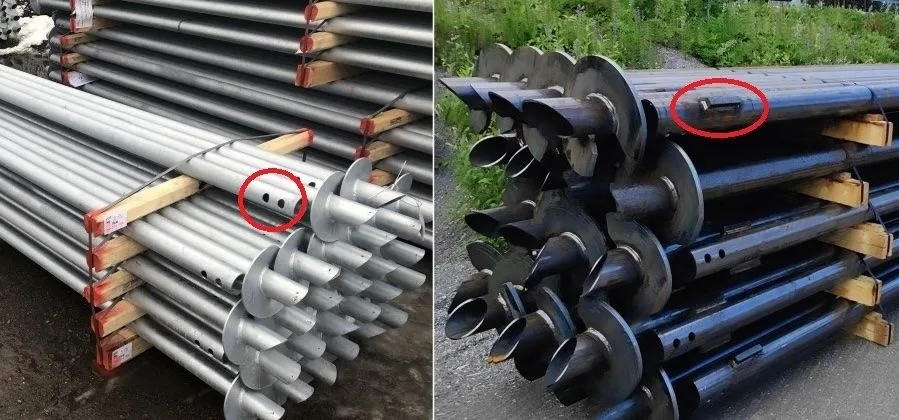
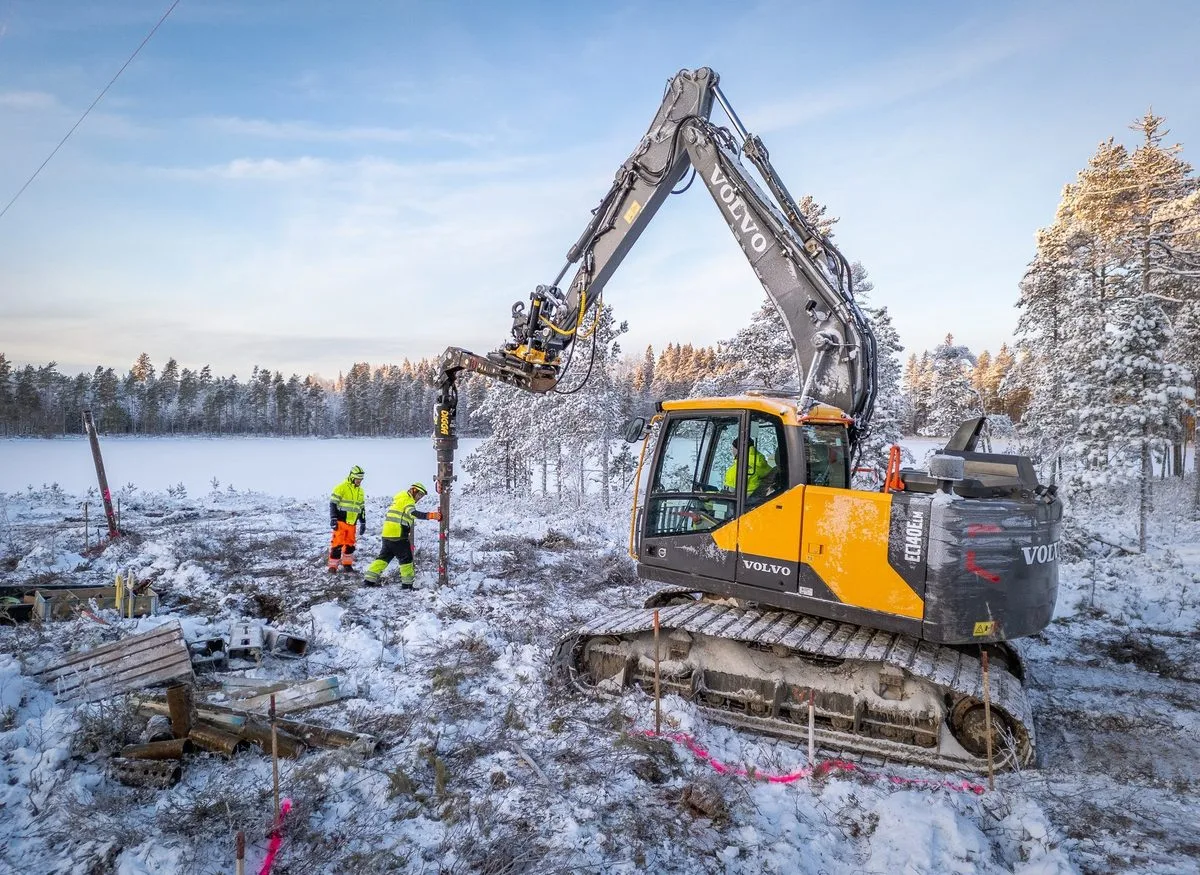
Attaching a pin-connected pile to the drive head typically requires manually aligning the adapter or having the operator guide it into the pile shaft. The process is easiest when done horizontally, using the drive's rear support, a tilt attachment, or a rotator. A rotator allows free orientation of the drive head regardless of excavator position, greatly simplifying alignment. Once the adapter is in place, the pile is secured with a through-pin and installation can begin.
Pin connection is a practical and efficient option for lighter, shorter piles that are easy to handle manually and require minimal lifting.
Drive lug connection
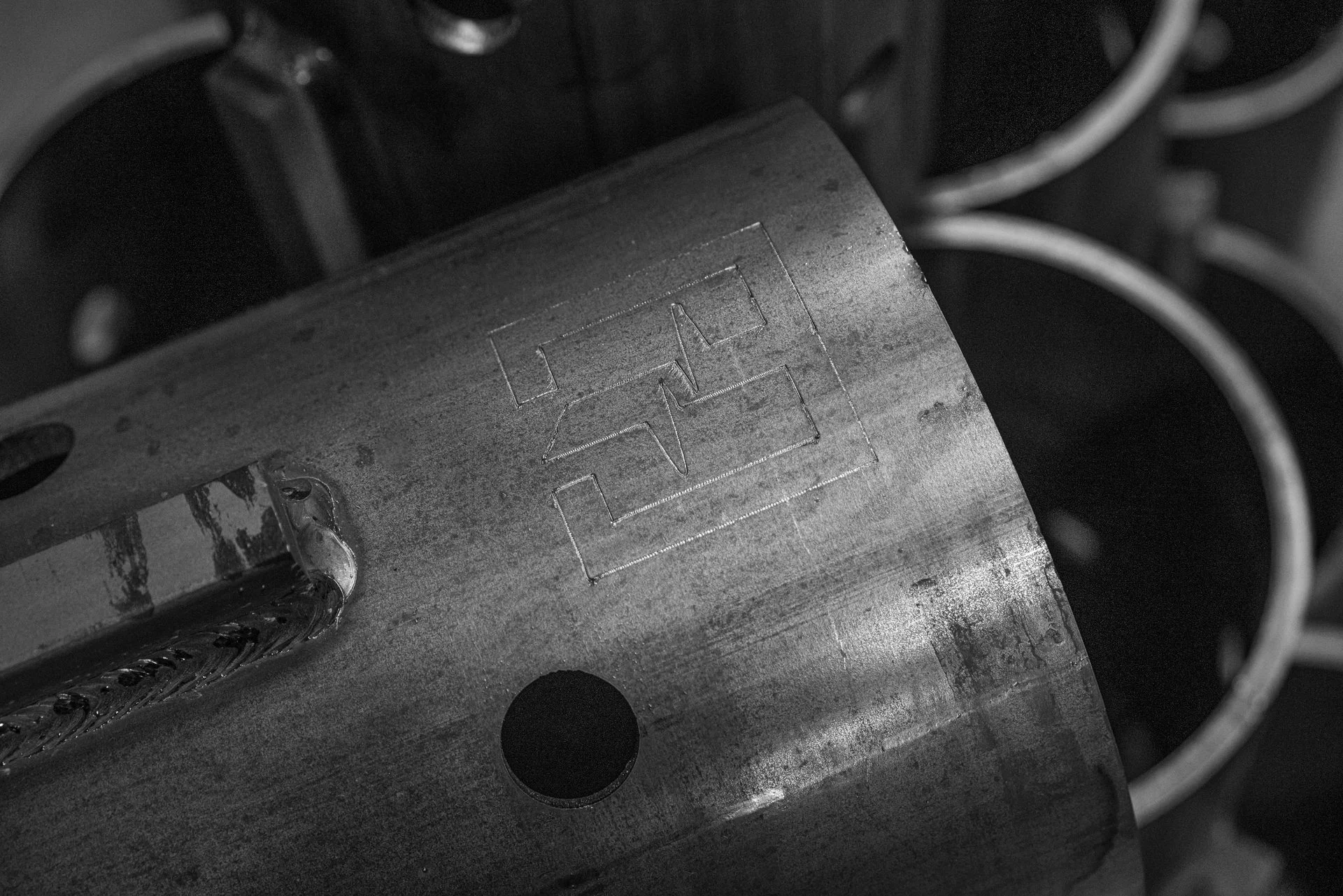
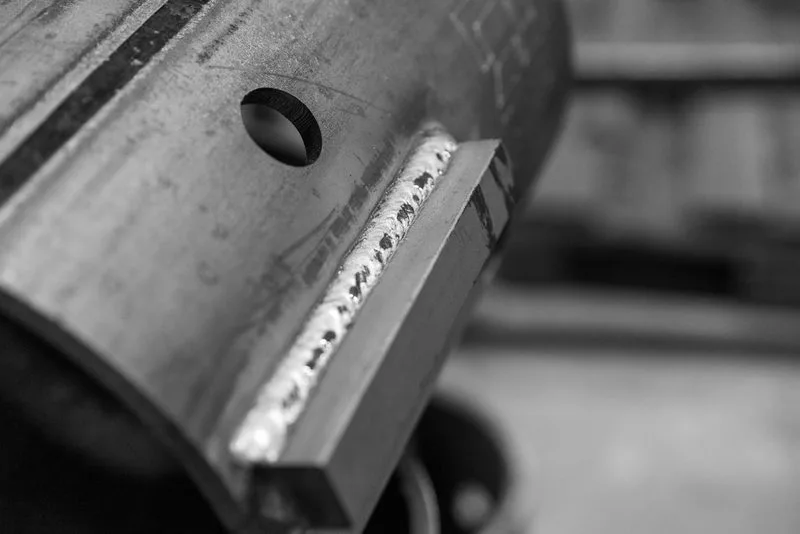
Drive lug piles feature two or more square-bar lugs welded to the side of the shaft. These allow the pile to be engaged with a fork-type adapter without the need for pins.
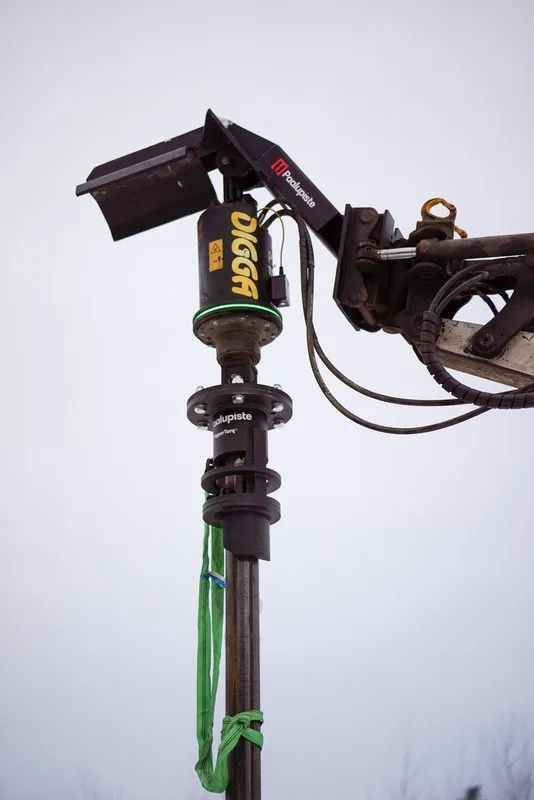
The process differs markedly from pin connection. The adapter includes a lifting hook for attaching a sling or wire rope. The operator positions the adapter near the top of the pile, and a crew member secures the sling. At this stage, the pile's orientation relative to the machine is not critical. The goal is simply to lift it into vertical position. This significantly reduces manual lifting and speeds up the attachment phase.
The sling length is adjusted so that the adapter's drive spindle aligns as closely as possible with the top of the shaft when vertical. Once upright, a crew member steadies the pile briefly while the operator lowers the spindle into the shaft. A quarter-turn locks the lugs into the adapter. The connection can be made several metres off the ground without ladders or additional lifts. The pile can then be manoeuvred precisely into position and driving commenced. Release is achieved with a reverse quarter-turn and lift, often faster than with pins.
Drive lugs also enable long piles to be installed as a single section without extensions. In practice, six-metre piles can typically be placed in one piece, provided the excavator has sufficient reach. Even with smaller machines, good height can be achieved using an extension boom. An extension boom is a valuable tool, as it effectively reduces the number of extensions needed, quickly paying for itself through fewer connection pieces. HyperTorq+ extension booms are available from Paalupiste Oy. Fewer extensions mean savings in both components and labour time, benefits that are especially evident in large infrastructure projects, where they directly influence installation progress and overall profitability.
Safety considerations with drive lugs
Lifting heavy piles always demands careful attention. Slings must be inspected regularly for condition and secure attachment. Many sites use dual slings or an additional safety wire as standard practice. All crew members must be properly trained, and appropriate personal protective equipment is essential.
Summary
For light, easily handled piles, pin connection is often sufficient and fast. In large-volume installations of long, heavy piles, however, drive lugs offer clear advantages: less manual work, quicker installation, and the ability to place long sections without extensions.
Although it may seem a small detail, choosing the right connection method, based on pile size, site conditions, and equipment, directly affects speed, labour costs, ergonomics, and schedule. It's worth discussing these options early with your helical pile supplier. A knowledgeable supplier understands real-world installation challenges and can guide you toward practical solutions that may not appear on drawings but will certainly show up in smoother operations and lower total costs.