Two different foundation solutions
Both bored piles and screw piles are steel pile foundations that replace a traditional concrete foundation. Their structure, installation method, load capacity class and typical applications differ fundamentally, however. Understanding the difference helps you choose the right solution for each project.
Bored pile: a steel tube drilled to bedrock
A bored pile is a thick-walled steel tube that is drilled through all soil layers down to bedrock. Drilling is carried out with heavy specialist equipment using a down-the-hole (DTH) hammer combined with rotation. Flushing water or compressed air is fed through the drill bits to remove loosened material from inside the tube.
Once the tube has reached bedrock, it is cleaned, reinforced if necessary and filled with concrete. The gap between the tube and the rock is injected with cement grout, anchoring the pile firmly to the bedrock.
A bored pile is a non-displacement pile: it does not push soil aside but removes it. This reduces disturbance and vibration to the surrounding ground.
Diameters start at approximately 140 mm and exceed 1,200 mm on the largest projects.
Screw pile: a helical plate into the bearing layer
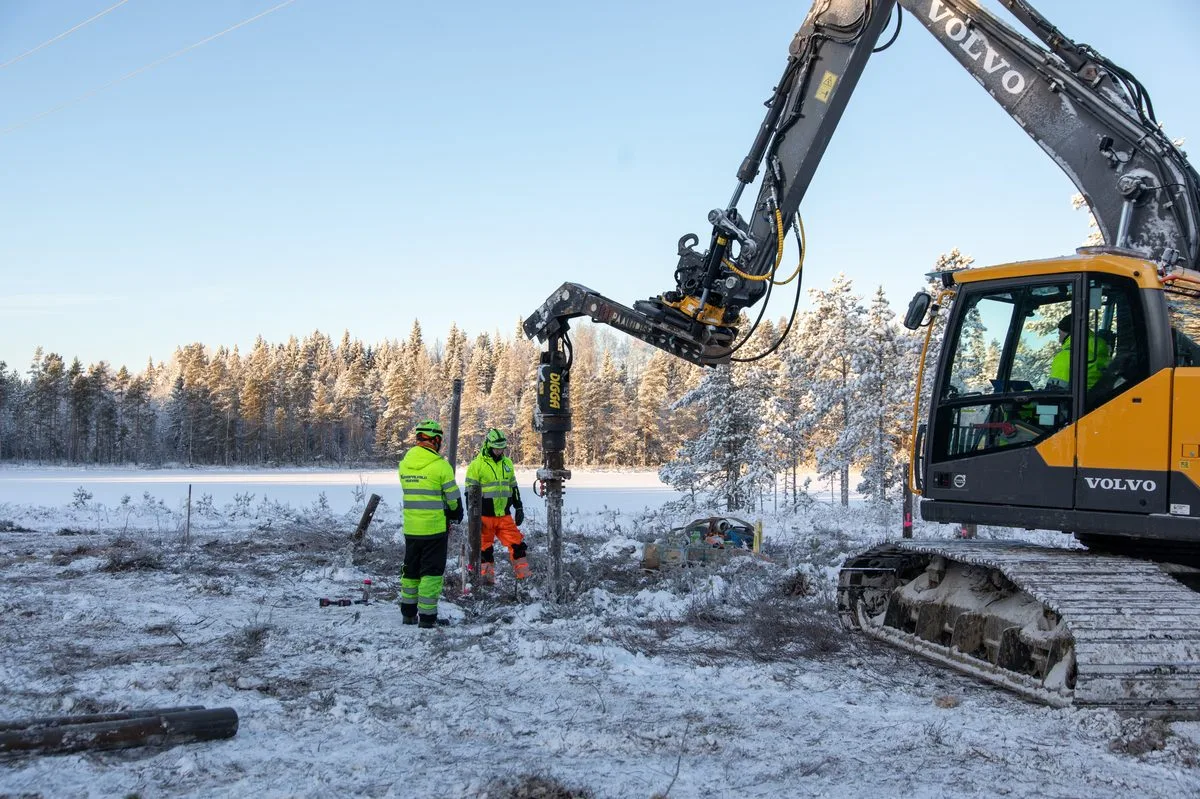
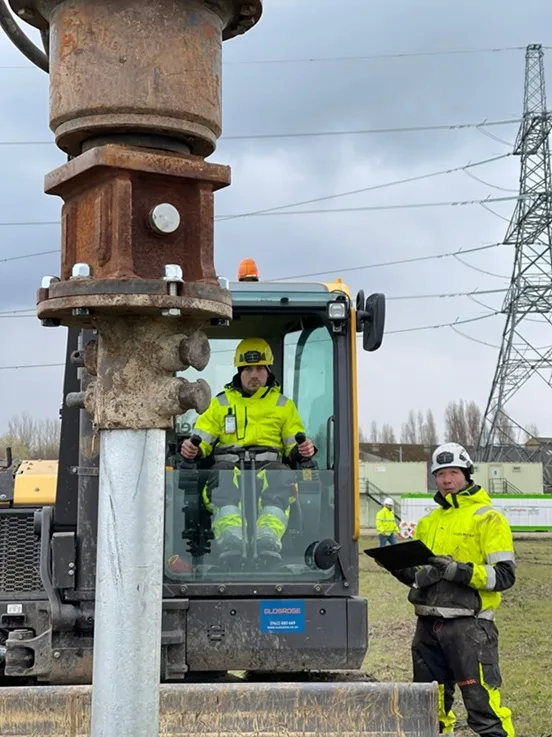
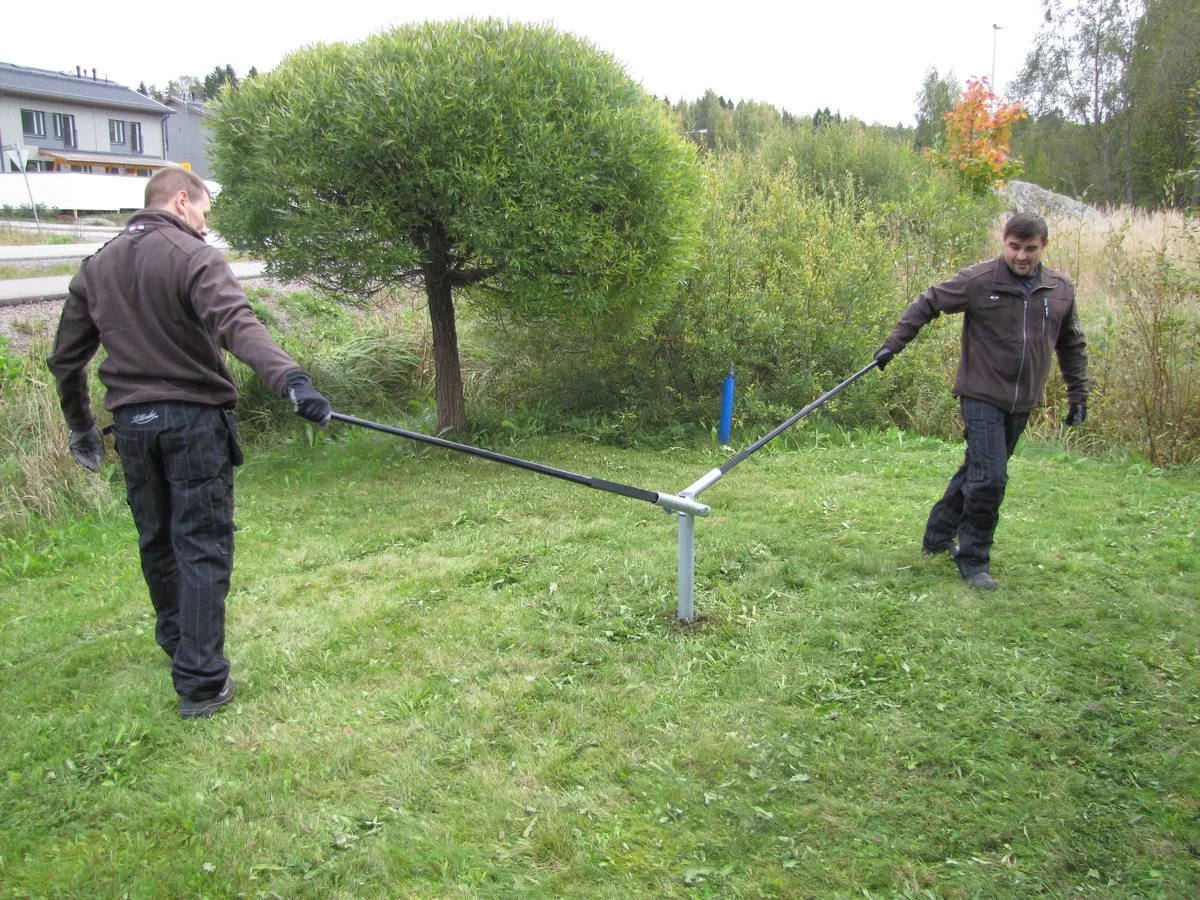
A screw pile consists of a smooth steel shaft with one or more helical plates welded to its tip. The pile is installed by screwing it into the ground using an excavator-mounted drive head or a hand-held machine.
The structural load transfers through the shaft to the helical plate, which distributes it into the load-bearing soil layer. A screw pile requires no concrete fill and is load-bearing immediately after installation.
Typical shaft diameters range from 60.3 to 323 mm. The HELIX range (60.3 mm shaft) is designed for lighter structures and DIY installation, while the PRO range (60.3 mm and above) is designed for load-bearing structures such as houses, halls and power line masts.
Installation method and equipment
A bored pile requires heavy specialist equipment: a drilling rig with a DTH hammer, a flushing system, equipment for extending the tubes (using threaded or welded couplings), a concrete pump and grouting equipment. Mobilising the site is a significant phase, and transporting the equipment requires heavy-goods vehicles.
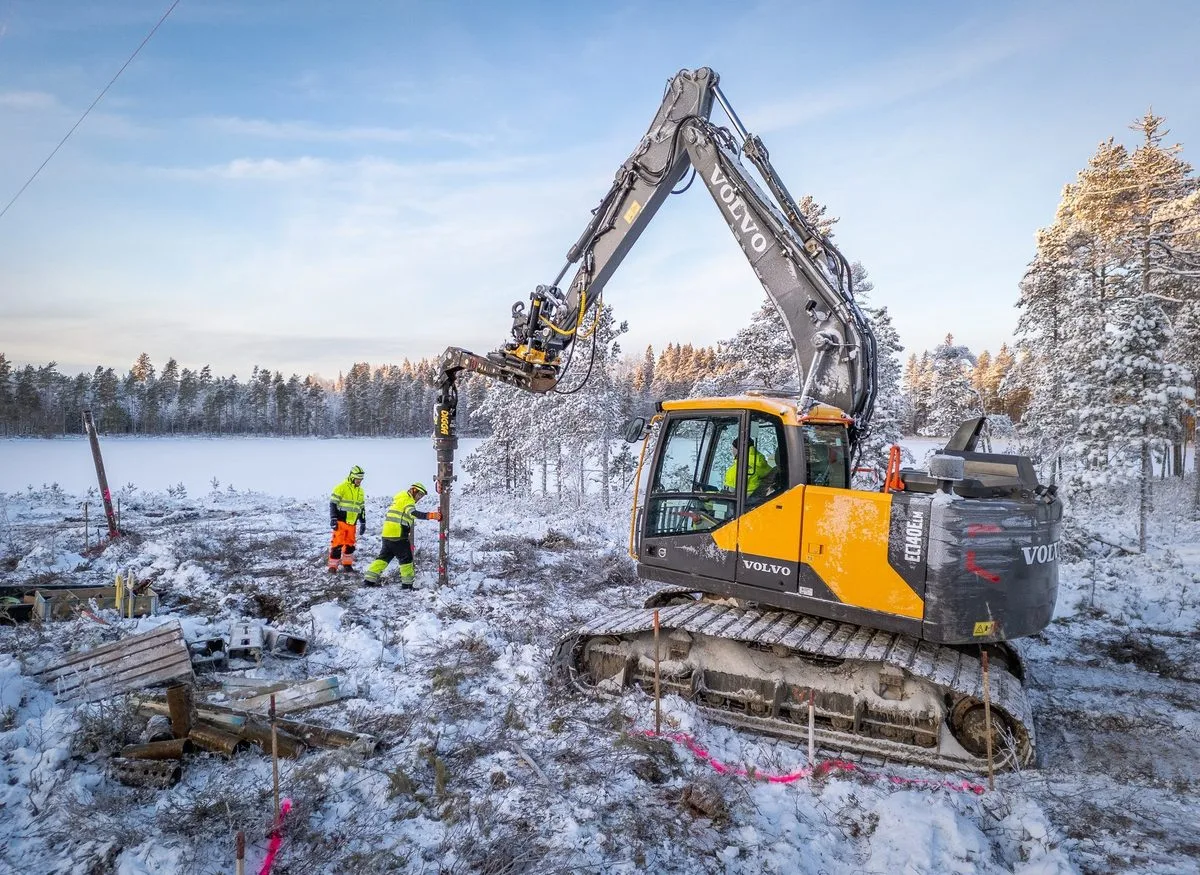
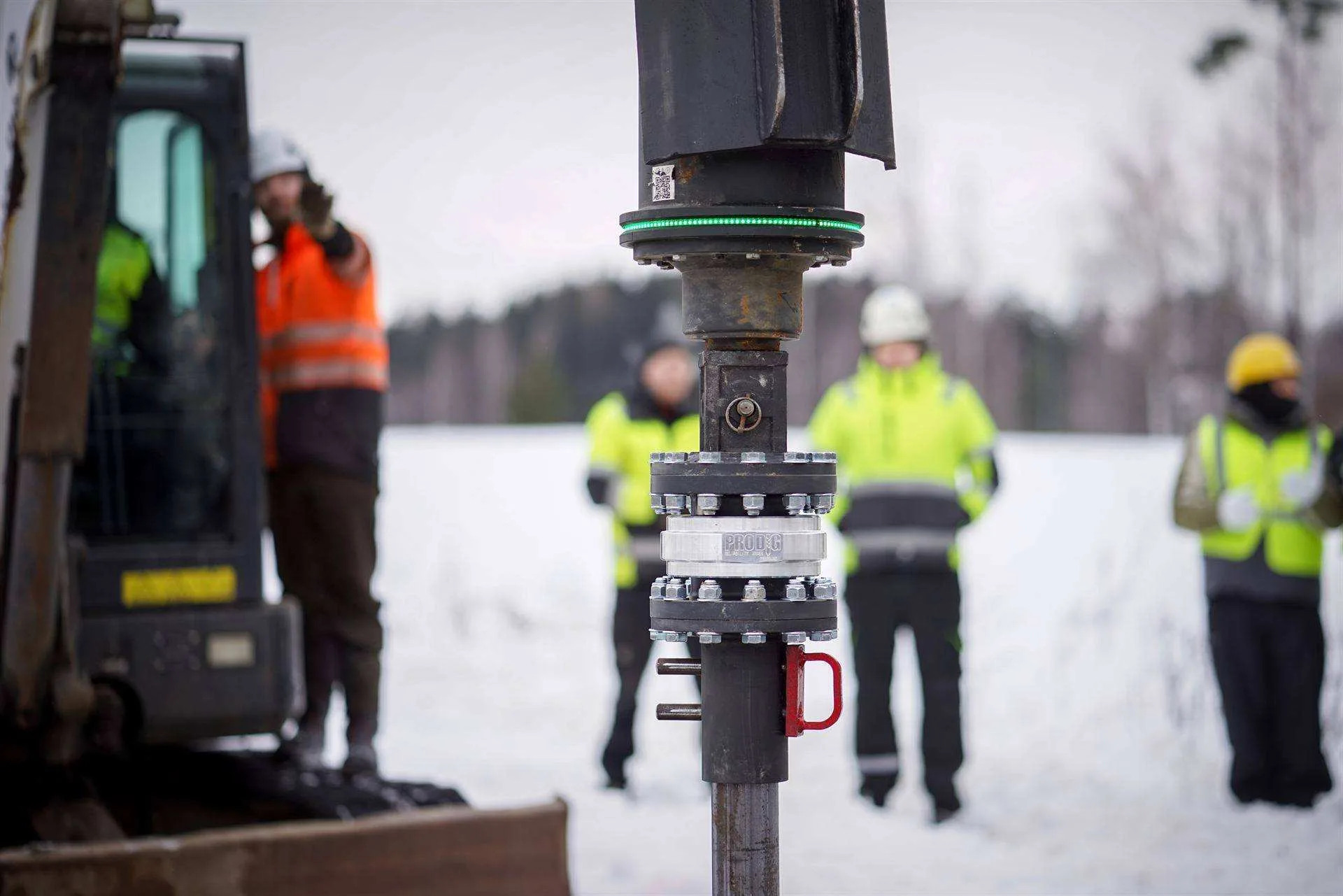
A screw pile is installed with an excavator fitted with a drive head, or with a hand-held machine for smaller piles. The equipment is quick to mobilise, and site disruption is minimal. Installing a single pile typically takes a matter of minutes.
Load capacity and applications
A bored pile is anchored into bedrock and carries extremely high loads. Typical applications include multi-storey buildings, heavy infrastructure, large bridges and urban sites where vibration is restricted.
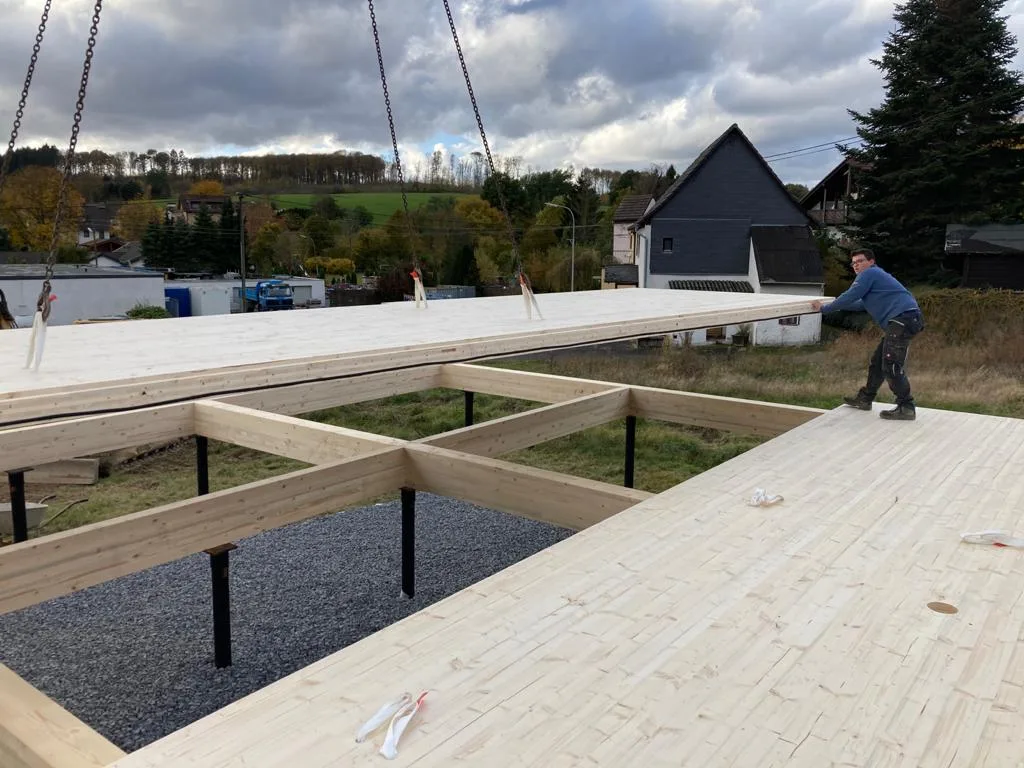
A screw pile can achieve a load capacity of over 1,000 kN per pile. Applications include houses, halls, bridges, power lines, solar farms and garden structures. Screw piles are also used increasingly in heavier infrastructure projects.
These are not usually competing products but complementary solutions. On many sites both methods are technically feasible, and the choice depends on soil conditions, loads and project requirements.
Cost
Bored piling costs many times more per metre than screw piling. The price is driven by heavy equipment mobilisation, drilling time, concrete fill and grouting.
Screw piling is a cost-effective solution when soil conditions allow it. Lighter equipment, faster installation and the absence of concrete keep the total cost low.
A cost comparison only makes sense when both methods are technically feasible. If the site requires rock anchorage, a screw pile is not an option. Conversely, if the soil has adequate bearing capacity and the loads fall within the screw pile range, a bored pile is usually an over-engineered solution.
Environmental impact
Bored piling produces less vibration than driven piling, but drilling noise is significant. Drilling also generates soil waste (cuttings) that must be handled and removed from the site.
A screw pile produces very little vibration and noise. No soil waste is generated, because the pile screws into the ground without displacing soil. A screw pile can also be unscrewed and reused.
Both methods are suitable for urban sites where vibration is restricted. A screw pile is also quiet and suits projects where the goal is to minimise ground disturbance and waste.
Comparison table
| Feature | Bored pile | Screw pile |
|---|---|---|
| Installation | Drilled into bedrock with heavy drilling rig | Screwed into the ground with an excavator or hand-held machine |
| Anchorage | Into bedrock, grouted with cement | Into load-bearing soil via helical plate |
| Typical diameter | 140 to 1,200+ mm | 60.3 to 323 mm (shaft) |
| Load capacity class | Very high (rock anchorage) | Up to over 1,000 kN per pile |
| Equipment | Heavy drilling rig, DTH hammer, concrete pump | Excavator + drive head, or hand-held machine |
| Cost level | Many times higher than screw piling | Cost-effective |
| Installation speed | Slower (drilling, concreting, grouting) | Fast (minutes per pile) |
| Vibration | Low (non-displacement), but drilling noise | Very low |
| Typical applications | Multi-storey buildings, heavy infrastructure, large bridges | Houses, halls, bridges, power lines, solar farms |
| Concrete fill | Yes (tube filled with concrete) | No (load-bearing immediately after installation) |
Summary
Bored piles and screw piles are different methods for different needs. A bored pile is chosen when the site requires rock anchorage. Screw piles are used widely, from residential houses to infrastructure, when the soil is suitable for screw installation.
If you are unsure which method suits your project, ask a specialist. The right choice always depends on the soil conditions, loads and structural type of the project.