Price is not just material cost
When comparing foundation costs, it is essential to look at the total cost, not just the price of an individual material. In a screw pile foundation, a large proportion of the work phases are eliminated entirely compared to a concrete foundation, and this is what shows in the final cost.
With a concrete foundation, the material cost may appear reasonable, but the total cost is made up of numerous separate work phases: excavation, removal of excavated material, drainage, frost insulation, formwork, reinforcement, concrete pouring, plinth work and backfilling. Each of these phases requires its own materials, tradespeople and time.
Cost structure of a screw pile foundation
The price of a screw pile foundation is made up of the following components:
1. Piles
The price of an individual pile depends on several factors:
- Tube size: Diameter, wall thickness and length determine the steel mass of the pile. The product range starts at Ø60.3 mm and extends to Ø323.9 mm. The greater the mass, the higher the price.
- Helical plate size and number: A larger plate or a multi-plate configuration increases the price.
- Surface treatment: The price also depends on the surface treatment. We always aim to find the most cost-effective option without compromising reliability or service life.
2. Brackets (pile caps)
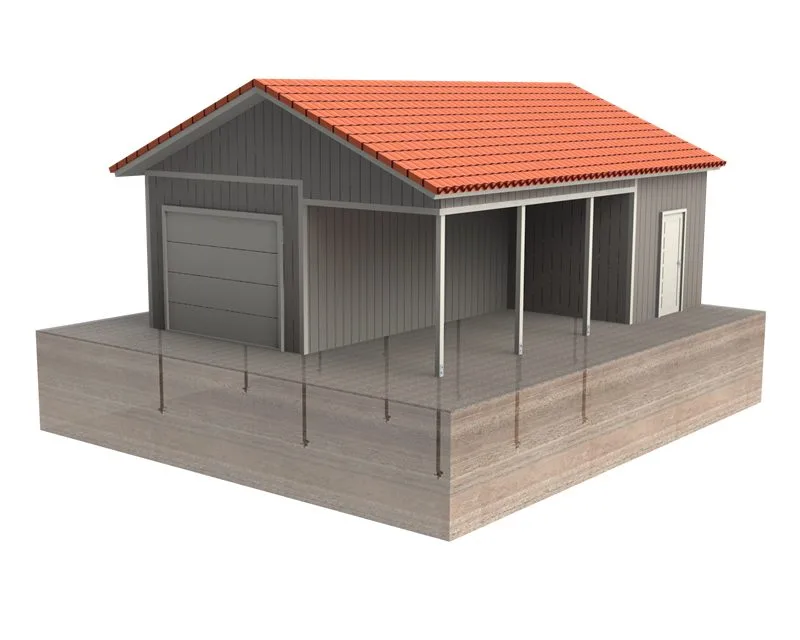
Each pile requires a bracket to connect the superstructure to the pile. The bracket type is chosen according to the structure: for example, an LH bracket for decks, an L200C bracket for buildings and a U bracket for fence posts.
3. Installation
Installation cost depends on whether you install the piles yourself or purchase an installation service:
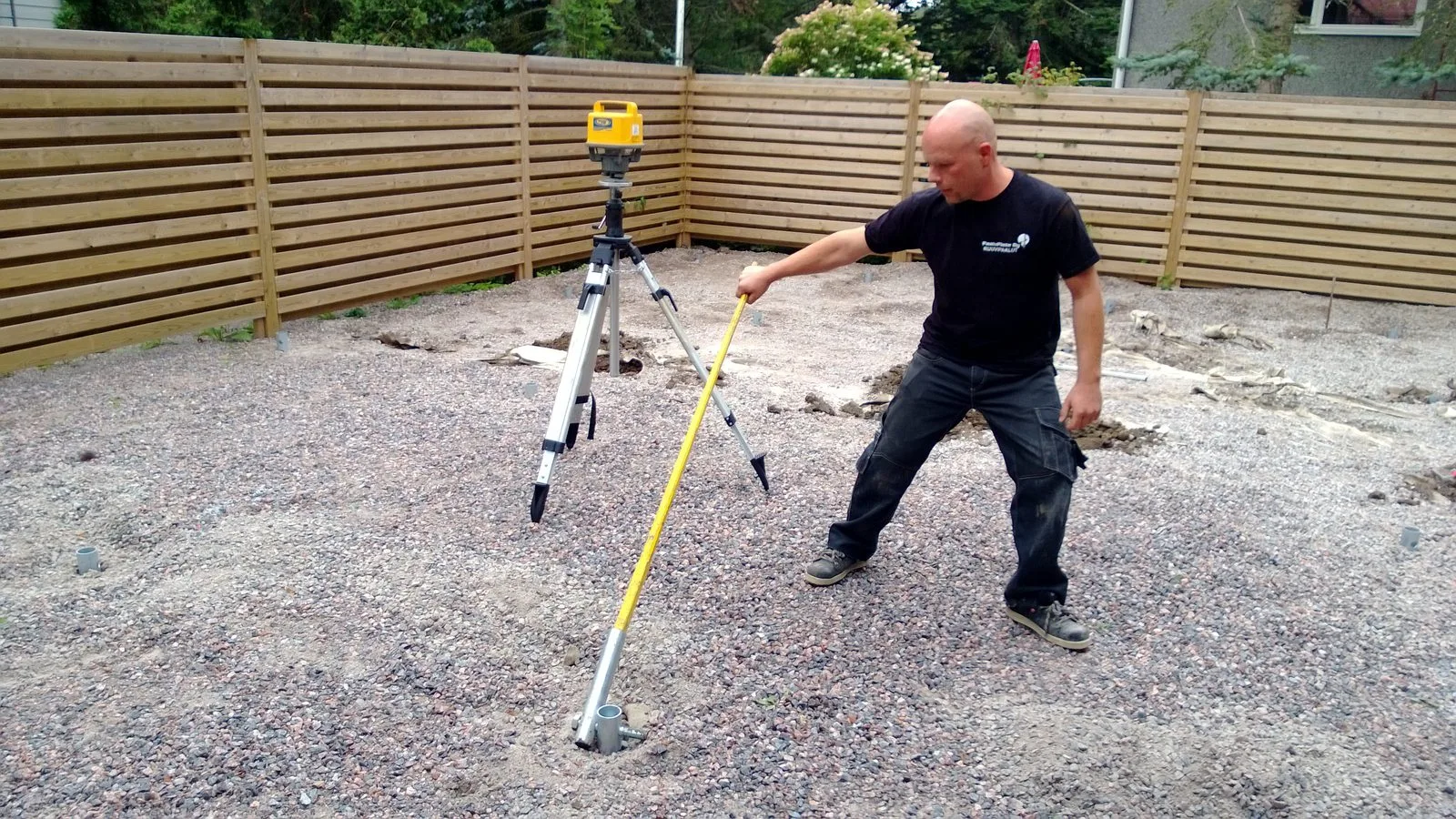
- DIY installation: Paalupiste hires out the MP1 electric drill, which can install all Ø60.3 mm piles. In softer ground conditions, the MP1 can also install Ø88.9 mm piles.
- Installation service: Paalupiste or a partner installer installs the piles by excavator. The cost consists of equipment mobilisation and machine time.
4. Transport
When you order piles with installation, the piling materials can arrive in the same load as the installation crew. For larger material quantities, they are delivered by freight. For material-only deliveries, freight is calculated separately based on the delivery location.
The exact price is determined by a quote. Every project is different: ground conditions, structure, distance and installation method all affect the cost. View indicative prices or request a quote for your specific project.
Compared to a concrete foundation: these work phases are eliminated
With a screw pile foundation, the saving comes from the reduction in work phases. The following phases are not required at all:
| Eliminated work phase | What is saved |
|---|---|
| Excavation and spoil removal | Excavator + lorry transport |
| Drainage | Pipes, manholes, geotextile, gravel |
| Frost insulation | EPS frost insulation boards and their installation |
| Formwork | Formwork materials and labour |
| Reinforcement | Steel and reinforcement work |
| Concrete pouring | Concrete, pump truck and pouring work |
| Plinth work | Blocks/cast, bitumen membrane and labour |
| Backfilling and levelling | Fill materials and machine time |
In addition, a screw pile foundation saves time: installation is typically completed in a single day, and construction can begin immediately. With a concrete foundation, the nominal strength of the concrete is reached after 28 days.
Comparison with other pile types
Screw pile vs driven pile
The helical plate of a screw pile produces a large bearing area in the ground. As a result, screw piles can often achieve the required capacity with less material than driven piles, which derive their capacity primarily from shaft friction and end bearing. Less material means a lower total cost. Furthermore, screw pile installation is vibration-free and low-noise, which allows work close to existing buildings, in environmentally sensitive areas, and, for example, on infrastructure projects during night hours without disturbance.
Screw pile vs ground screw
A ground screw is structurally a different product from a screw pile: a ground screw has a continuous thread along the shaft, while a screw pile has a steel tube with a separate helical plate at the tip. The load capacity per unit of a screw pile is many times greater than that of a ground screw, so fewer screw piles are needed for the same project. Fewer piles means less installation work and often a more cost-effective total solution.
Factors affecting the total cost
The cost of a screw pile foundation is always determined on a project-by-project basis. The key factors are the ground conditions and the depth of the bearing layer, the building type and loads, the number of piles and the installation method. Based on these, the correct pile size, length and helical plate configuration are selected.
You can get an accurate price by requesting a quote with your project details. Tell us the building type, dimensions and location, plus ground data if available.